
FCT Teachers Resume Classes as Strike Is Suspended After Government Intervention
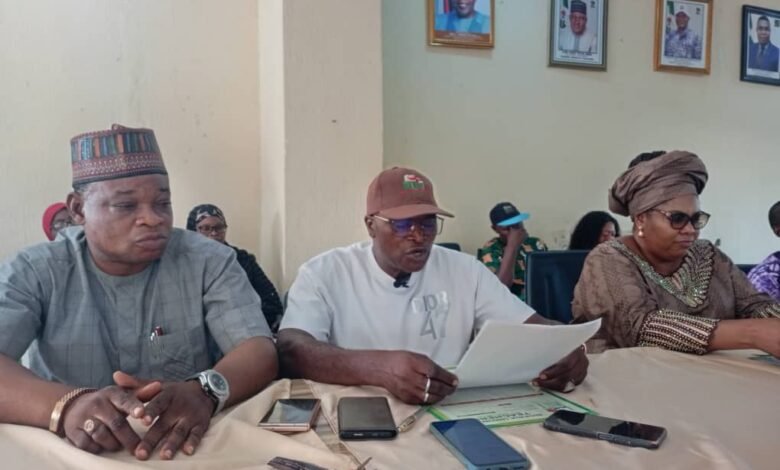
Barely a week after public schools in the Federal Capital Territory (FCT) were shut down over an indefinite strike, primary and secondary school teachers have now resumed duties following the suspension of the industrial action.
The Nigeria Union of Teachers (NUT), FCT chapter, announced the suspension on Sunday after an emergency meeting of its State Wing Executive Council (SWEC), bringing relief to thousands of students and parents affected by the disruption.
The strike, which began on April 20, had forced the closure of public schools across Abuja and heightened concerns about children’s right to uninterrupted education, especially for those preparing for critical examinations.
According to SWEC Chairman, Abdullahi Shafa, the decision to call off the strike was based on commitments made by the FCT administration led by Nyesom Wike to address the teachers’ demands.
Central to the agreement is a N5 billion monthly intervention package approved by the minister. This includes N2 billion from the FCT’s Internally Generated Revenue (IGR) and an additional N3 billion sourced from 10 per cent of the IGR allocations to Area Councils. The funds are expected to cover the implementation of a 40 per cent peculiar allowance and clear outstanding entitlements owed to primary school teachers.
The administration also pledged to review contentious promotion issues by removing the vacancy requirement that has stalled career progression for many teachers and reassessing the 2024 promotion exercise.
Following these assurances, the union directed all teachers across the six Area Councils to return to classrooms on Monday, April 27, effectively ending days of halted academic activity.
Importantly, the union emphasised that no teacher should face victimisation for participating in the strike and warned that it could reconsider its position if the government fails to honour the agreement.
The suspension marks a critical turning point after days of uncertainty that had raised alarms among education stakeholders. Earlier concerns had centred on the long-term impact of the strike on students’ academic progress, cognitive development, and access to consistent learning, particularly for those in public schools with limited alternatives.
While the resumption of classes offers immediate relief, attention now shifts to the implementation of the government’s promises. Stakeholders maintain that sustained commitment to teachers’ welfare remains essential to preventing future disruptions and safeguarding the right to education in the FCT.