
Meningitis Outbreak Sparks Alarm as Children Die Daily in Sokoto Village
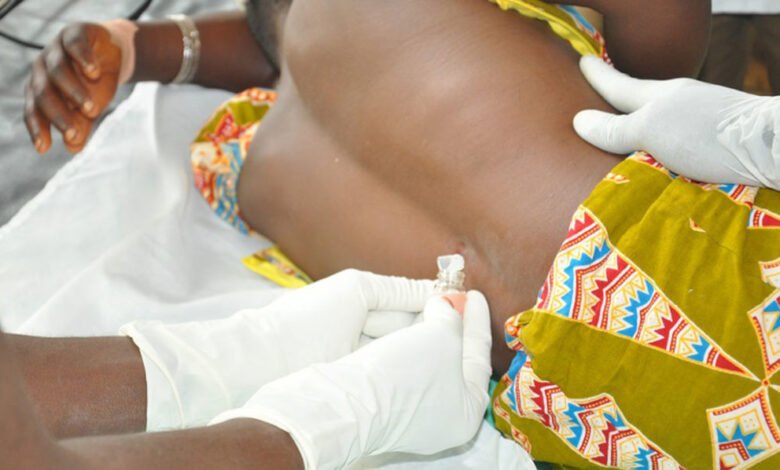
A suspected outbreak of cerebrospinal meningitis in Kurawa village, Sabon Birni Local Government Area of Sokoto State, is raising urgent child protection and safeguarding concerns after health sources reported that children and teenagers are among the most affected, with an estimated two to three deaths recorded daily in recent days.
From a safeguarding perspective, the outbreak is exposing the vulnerability of children in underserved rural communities where access to timely healthcare and early disease detection is limited. Children aged between two and 20 years have reportedly been the hardest hit, highlighting how quickly infectious diseases can become a child survival crisis when health systems are overstretched.
Residents say the situation has worsened in recent days, with local health facilities struggling to cope with the rising number of cases. In such environments, delays in diagnosis and treatment can significantly increase mortality, particularly among younger children whose immune systems are still developing.
Child health and protection experts note that outbreaks like this do not only represent a medical emergency but also a safeguarding failure when children are left without rapid access to essential care. The lack of early intervention, health education, and preventive measures can turn treatable conditions into fatal outcomes.
The reported daily deaths have intensified fear within the community, with families reportedly struggling to access adequate medical support. In child safeguarding terms, this reflects a broader issue of structural vulnerability, where geography, poverty, and weak healthcare infrastructure combine to heighten risk for children.
Health authorities are being urged to scale up emergency response measures, including vaccination campaigns, community awareness, and rapid medical deployment, to prevent further loss of young lives.