FG Moves to Protect 29 Million Children in Massive Malaria Prevention Drive Across 21 States

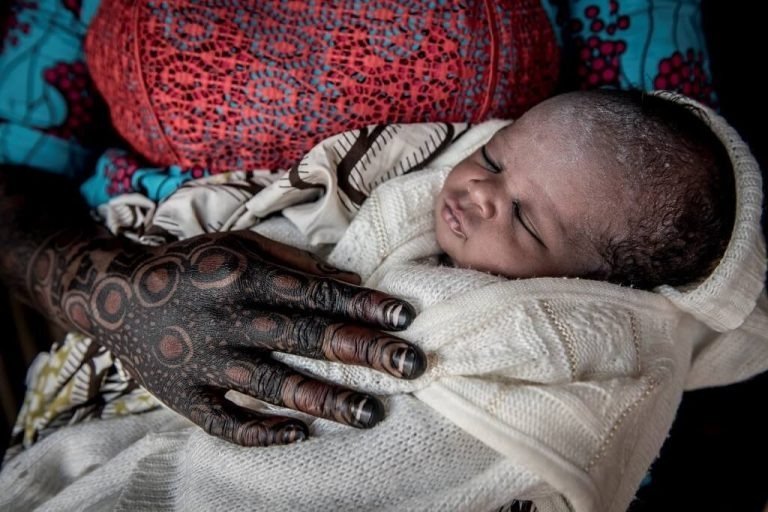
The Federal Government has launched a large-scale malaria prevention drive aimed at protecting an estimated 29 million children under the age of five across 21 states, in what health officials describe as one of the country’s most extensive child-focused public health interventions.
The programme, which includes Seasonal Malaria Chemoprevention (SMC), covers all 19 Northern states, the Federal Capital Territory, and Oyo State, where malaria remains a leading cause of illness and death among young children. From a child protection and safeguarding perspective, the initiative is designed to reduce preventable childhood mortality and strengthen early health protection in high-risk communities.
Minister of State for Health and Social Welfare, Dr Adekunle Salako, said the government has also expanded access to Insecticide-Treated Mosquito Nets (ITNs) in 11 states that have not benefited from distribution campaigns in several years. The states include Akwa Ibom, Kebbi, Borno, Bauchi, Nasarawa, Abia, Kogi, Osun, Kwara, Adamawa, and the FCT.
According to health authorities, more than 500 million ITNs have been distributed nationwide since 2015. Officials say the continued rollout is aimed at improving household protection, particularly for children and pregnant women who are most vulnerable to malaria infection.
Safeguarding experts note that consistent access to malaria prevention tools plays a critical role in protecting children’s health, reducing avoidable illness, and supporting school attendance and development outcomes.
The government is also piloting Larval Source Management (LSM) in six states, including Abia, Borno, Ekiti, Lagos, Ondo, and Rivers, as part of broader efforts to reduce mosquito breeding sites and curb transmission.
Officials say the combined interventions reflect a shift toward preventive child health protection, with emphasis on early intervention and equitable access to healthcare resources across high-burden areas.
Stakeholders have called for sustained implementation, community engagement, and consistent funding to ensure the programme achieves its goal of improving child survival and wellbeing nationwide.