2.2 Million Nigerian Children at Risk: Korea, UNICEF Launch Urgent Vaccine Drive to Save Lives
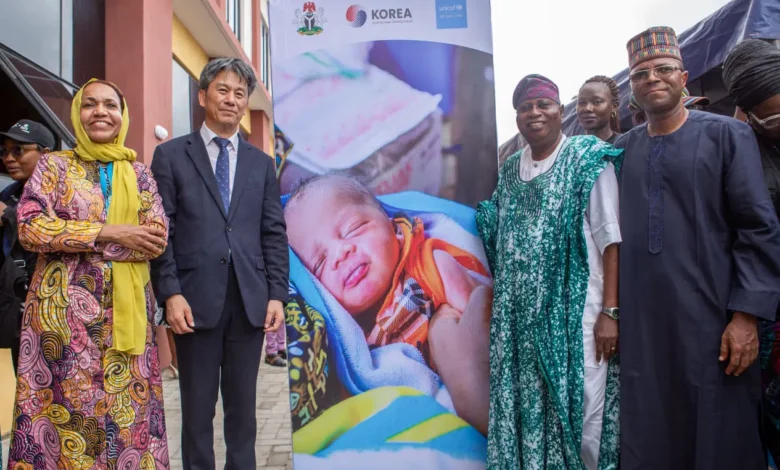
A renewed push to safeguard children’s right to survival is underway in Nigeria as the Republic of Korea partners with UNICEF and the Nigerian government to reach millions of unvaccinated children with life-saving vaccines.
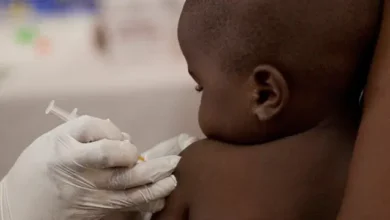
The initiative, launched in Badagry, Lagos State, targets an estimated 2.2 million “zero-dose” children—those who have never received routine immunisation. Many of these children live in hard-to-reach areas, including border communities, urban slums, and remote settlements where access to healthcare remains limited or inconsistent.
At its core, the programme addresses a critical child rights issue: the right to survival. Without routine immunisation, children are left exposed to preventable diseases such as measles, polio, and other life-threatening infections. Health experts warn that gaps in vaccination coverage continue to pose significant risks, not only to individual children but to public health systems at large.
Through this partnership, efforts will focus on strengthening routine immunisation services, improving vaccine delivery systems, and identifying children who have been missed. Community mobilisation and tracking mechanisms will also be deployed to ensure that no child is overlooked, particularly in underserved populations.
Stakeholders say the intervention reflects a broader commitment to ensuring that every child, regardless of location or socioeconomic status, has equal access to essential healthcare. By working through Nigeria’s existing health systems, the programme also aims to build long-term resilience and restore trust in immunisation services.
Aligned with global child rights principles, the initiative reinforces that access to vaccines is fundamental to a child’s survival and healthy development. As implementation begins across six states, it signals a coordinated effort to close immunisation gaps and protect the lives of the most vulnerable children.
Ultimately, the success of the programme will depend on sustained collaboration, community engagement, and accountability to ensure that no child is left behind in the fight against preventable diseases.