Twins Conjoined at the Head Separated After 40-Hour AI Surgery in Landmark Medical Breakthrough
Twin sisters Mercy and Goodness, born in Nigeria’s Ekiti State with fused skulls and shared brain tissue, have undergone a rare and complex separation surgery that has drawn global attention to advances in child survival and protection.
The 19-month-old girls were separated after a 40-hour AI-assisted procedure described as a landmark in paediatric neurosurgery. Medical teams used advanced imaging, mixed reality simulation, and artificial intelligence tools to plan the operation with precision and reduce risks to both children.
From a child protection perspective, the case highlights how early medical intervention can determine survival outcomes for highly vulnerable children. The twins were referred to specialists at just six months old, allowing time for careful preparation before surgery.
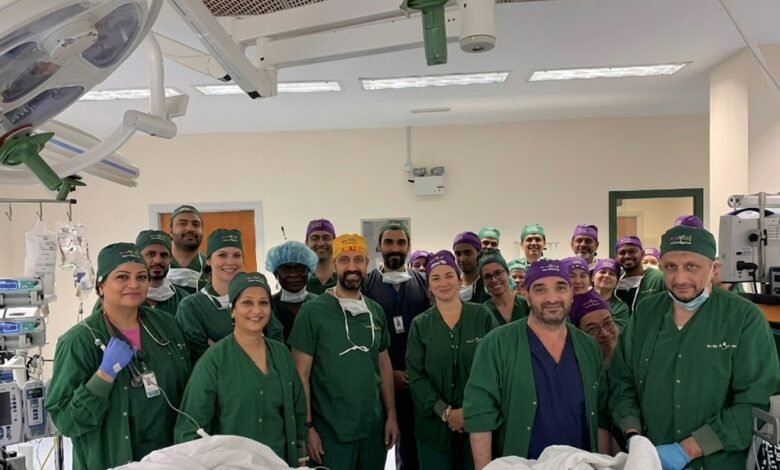
Experts note that children born with severe congenital conditions often face heightened risks of death or long-term disability without access to specialised care. In this case, coordinated international support brought together more than 60 healthcare professionals across multiple countries.
The surgical approach also introduced new techniques aimed at reducing trauma and improving recovery. These included gravity-assisted methods and early skin expansion technology to support safer post-surgical healing.
Following the operation, Mercy and Goodness made a full recovery and have returned home to Nigeria, where they continue rehabilitation and monitoring.
Child protection advocates say the case underscores the importance of equitable access to advanced healthcare for children, regardless of geography or background. It also reinforces the role of global medical collaboration in saving lives.
While the surgery is a medical milestone, it also serves as a reminder that every child deserves timely intervention, protection, and the chance to survive and thrive.